Complex biomimicry concepts turned into practical tools that industrial designers can use
Biomimicry offers powerful ideas, but many designers struggle to apply them during real product development. We bridge that gap by translating complex biomimicry concepts and principles into usable tools. Whether you're exploring new concepts, leading brainstorming sessions, or building more sustainable products, our goal is to make biomimicry a practical part of the design process rather than an inspiring idea that never leaves the page.
Why Learn from Nature?
Nature is the world's oldest research and development lab. Every organism alive today represents solutions refined through millions of years of adaptation to real-world challenges.
Instead of beginning every design problem from scratch, designers can learn from these biological strategies and adapt them to modern product development. Biomimicry offers more than inspiration—it provides another way of thinking about innovation.
How We Help
We provide practical resources that help designers and organizations apply biomimicry with confidence.
Practical workshops for design teams
Real-world case studies
Designer interviews
Biomimicry methods and principles for brainstorming and concept development
Educational resources for designers and educators
A growing community exploring life-centered design
Our Mission
We believe nature has already solved many of the challenges designers face today. Our mission is to make those lessons accessible, understandable, and useful; helping designers create products that are more innovative, resilient, and better aligned with the living world.
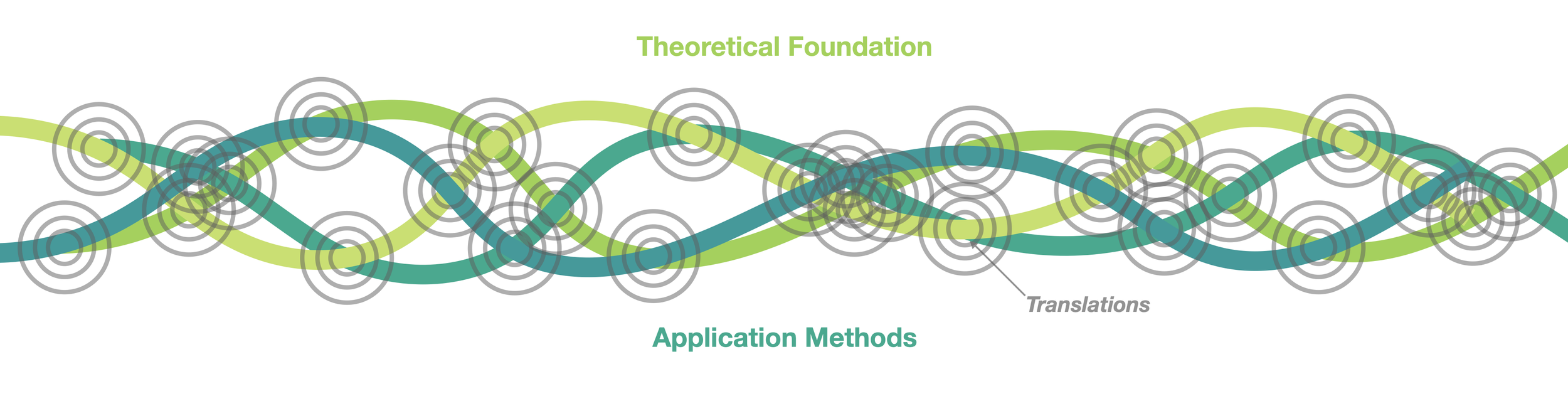
Framework for Life-Centered Design Approach
Theoretical Foundation
Biomimicry's Life's Principles, nature's proven strategies for survival and success.
Application Methods
Practical "how-to" for industrial designers shifting from user-centered to life-centered design thinking, such as making biomimicry’s Life’s Principles actionable.
There is No User Experience on a Dead Planet
For years, our entire quarter-century careers in fact, designers have been focused on user-centered solutions. That approach has dominated the design profession, and rightfully so. Before that, good design was steered by Dieter Rams' ten principles, and before him, the foundational truth that form follows function. All of these remain as important and relevant as ever. But as we push further into a future where sustainability has shifted from "nice to have" to absolute necessity, it's time again to shift the paradigm. This isn't a reset or a revolution, it’s simply an evolution.
What we’re proposing is that we evolve our design thinking and broaden our process to include not just sustainable materials and processes, not just the user’s experience, not just Rams' formula for classic, timeless design, and not just the honest celebration of function through form. We are simply proposing the integration of all of these under a broader design vision and more future-forward approach: life-centered design. This means we expand our circle of consideration beyond the individual user to encompass the living systems that make all design (and all life) possible. It means asking not only "does this serve the user?" but also "does this serve the ecosystem the user depends on?" It means designing products that don't just avoid harm, but actively participate in the regeneration and flourishing of the world around them.
Life-centered design doesn't abandon what came before, it honors that lineage while acknowledging a truth we can no longer ignore: there is no user experience on a dead planet. Yes, we need products that are beautiful, functional, and deeply human-centered. But we also need to be participants in living systems rather than extractors from them. This is the design challenge of our time, and nature has been solving it for 3.8 billion years. It's time we learn from that expertise.