

Welcome to our Journal, a living archive where we capture our observations, research, and insights; where Nature’s wisdom meets design thinking.
Biomimicry Case Studies
•
Life's Principle's in Action
•
Designer Spotlights
•
Nature's Design Lab
•
Life-Centered Design Reviews
•
Biomimicry
•
Biomimicry Case Studies • Life's Principle's in Action • Designer Spotlights • Nature's Design Lab • Life-Centered Design Reviews • Biomimicry •
Designing with Natural Cycles
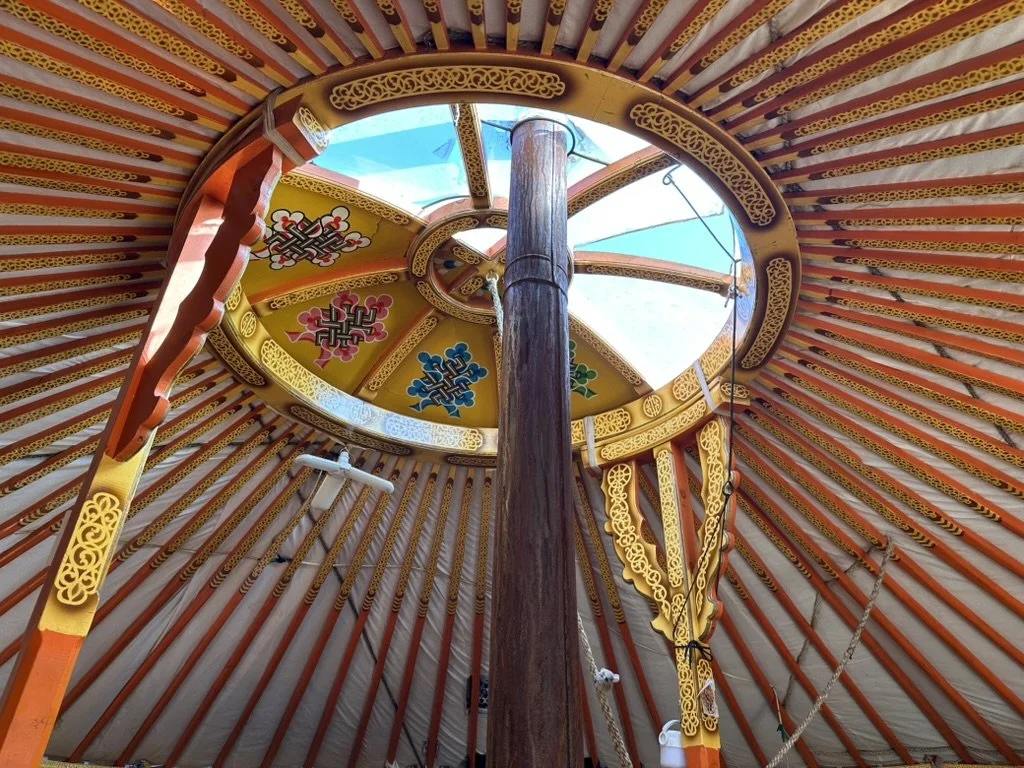
A ger is a traditional, round, portable dwelling made from a collapsible wooden frame covered with layers of sheep-wool felt and canvas. Designed for a nomadic way of life, it can be assembled, disassembled, and moved as families shift between seasonal pastures.
Does the Sunflower Wait for the Sun to Rise?
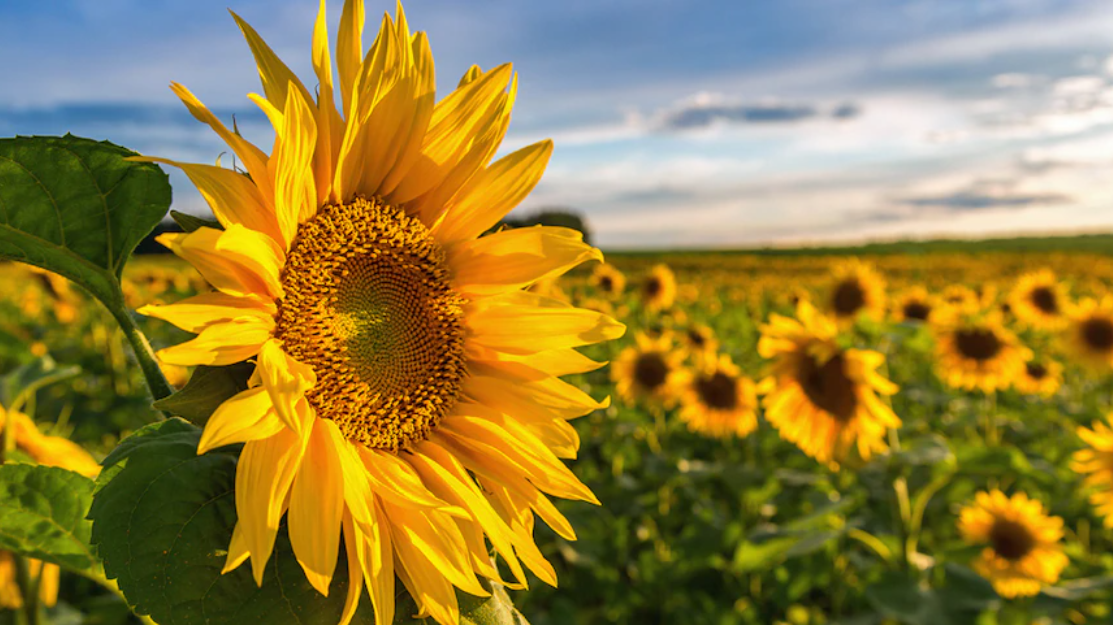
Have you ever wondered whether a sunflower has some kind of tiny internal engine that helps it keep up with the Sun? Or have you been a little disappointed when you looked at a sunflower and realized it wasn't following the Sun across the sky? What happened?
Shaped by Place
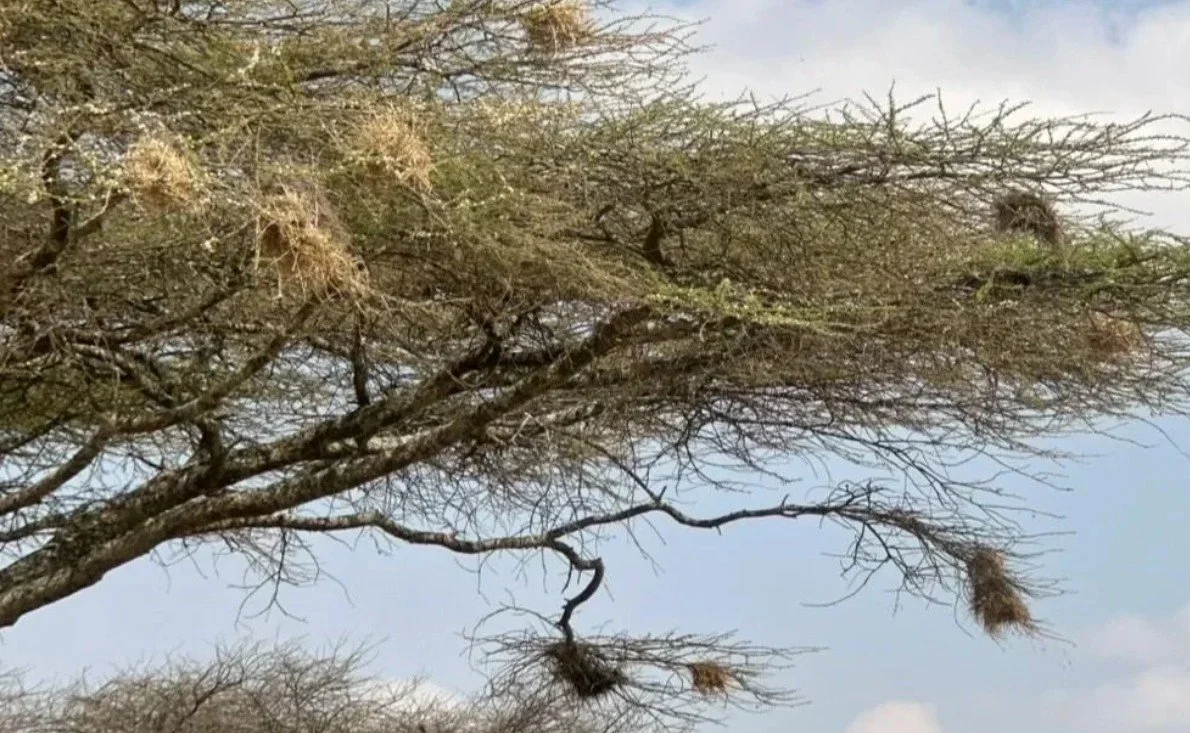
Getting to the Serengeti is not easy. From Nairobi, the journey takes several days, crossing the border into Tanzania before heading west. Even after reaching the Serengeti and Ngorongoro conservation areas, there is still a long drive ahead, down a dusty road into the heart of the park. Tanzanians call this stretch the "African massage." You feel every bump.
The Magic of Being Covered in Teeth
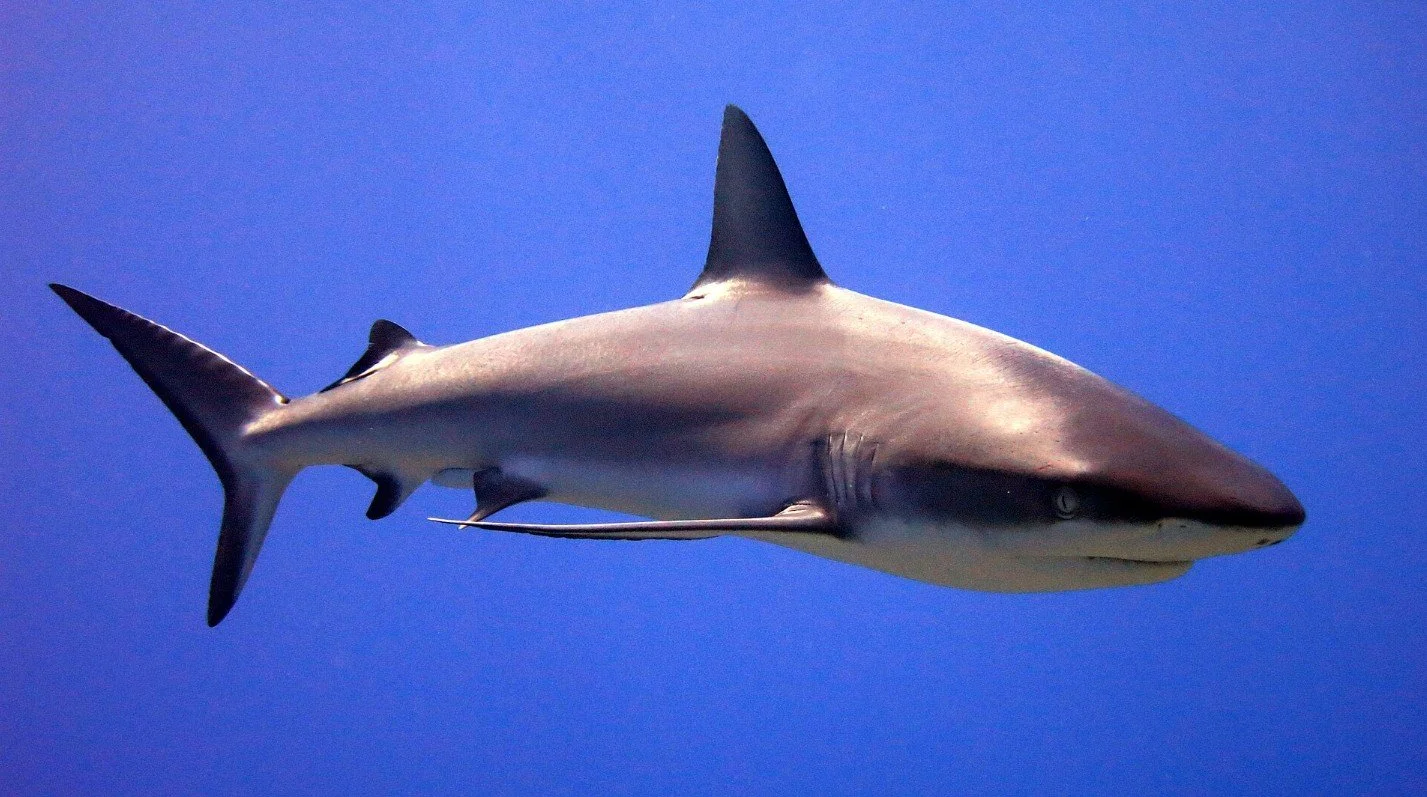
Sharks are beautiful, streamlined animals, and their skin appears to be smooth to the touch. They seem perfectly designed for moving through water.
Closing the Loop
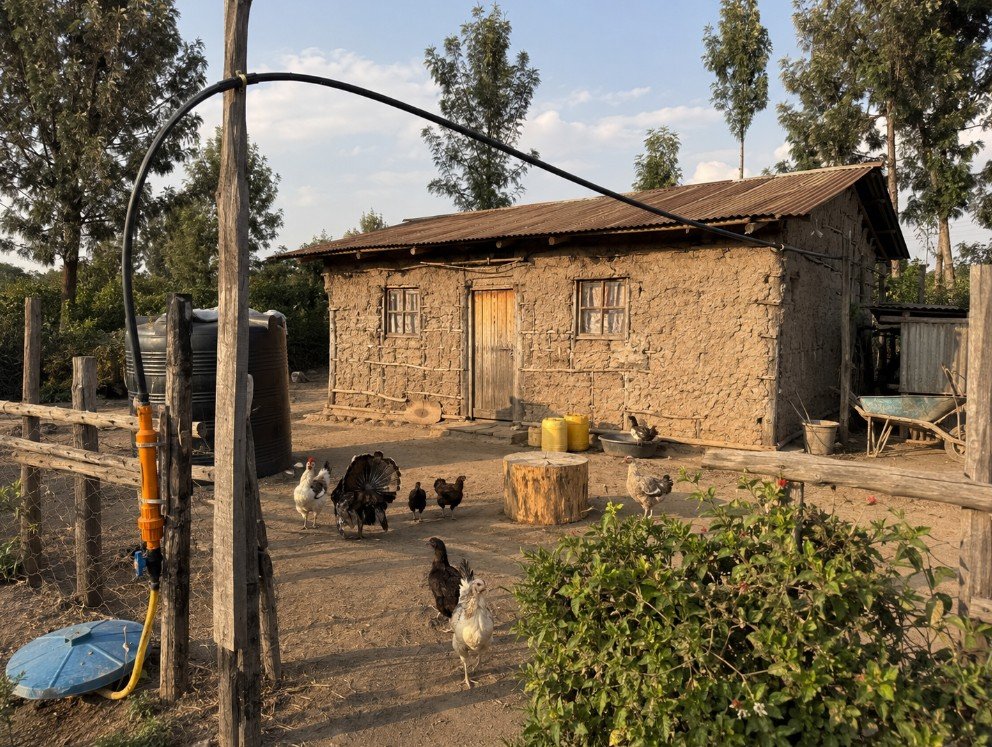
This summer, we've had the opportunity to explore everyday life in Africa through visits to family homesteads, local crafters, and small businesses. One especially memorable stop was a visit with a Kenyan woman named Jen, who lives in a farming village near Lake Nakuru.
How to Sense Light Without Eyes?
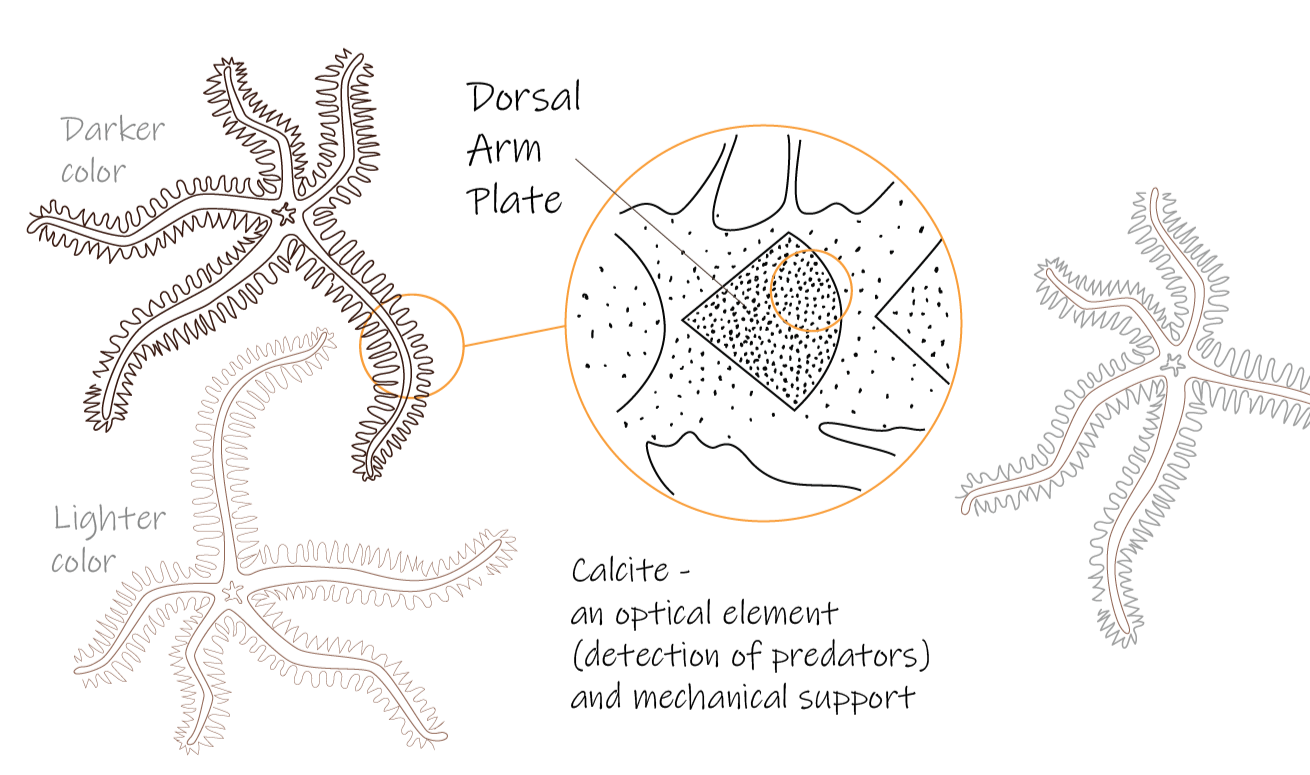
When we think about vision, we picture eyes. Whether it's a human eye, the compound eyes of an insect, or the large eyes of an owl, we tend to assume that seeing requires a dedicated organ.
How Does Nature Ventilate?
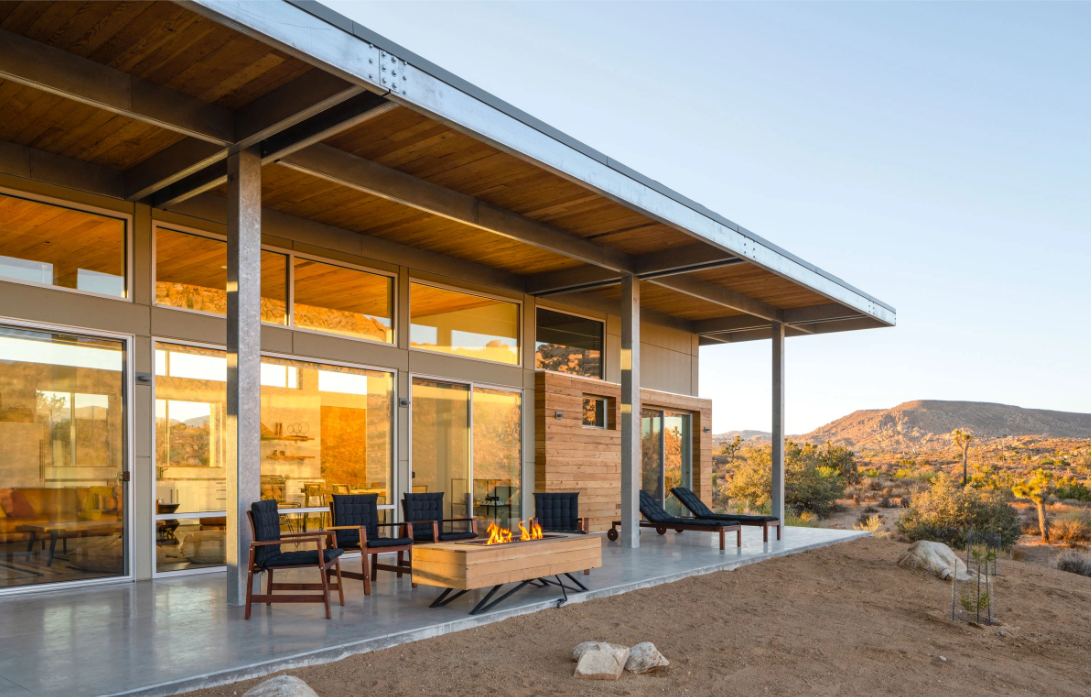
Summer is here, and as temperatures rise, so does our reliance on air conditioning. Cooling our homes, schools, and workplaces accounts for a significant share of global energy use. But what if the answer to better ventilation wasn't a more powerful machine? What if it began with looking underground?
Starting With Attunement
Some of nature's most successful organisms don't thrive because they're the biggest, strongest, or fastest. They thrive because they are attuned - attuned to the conditions around them, to the resources available, and to the relationships that make life possible.
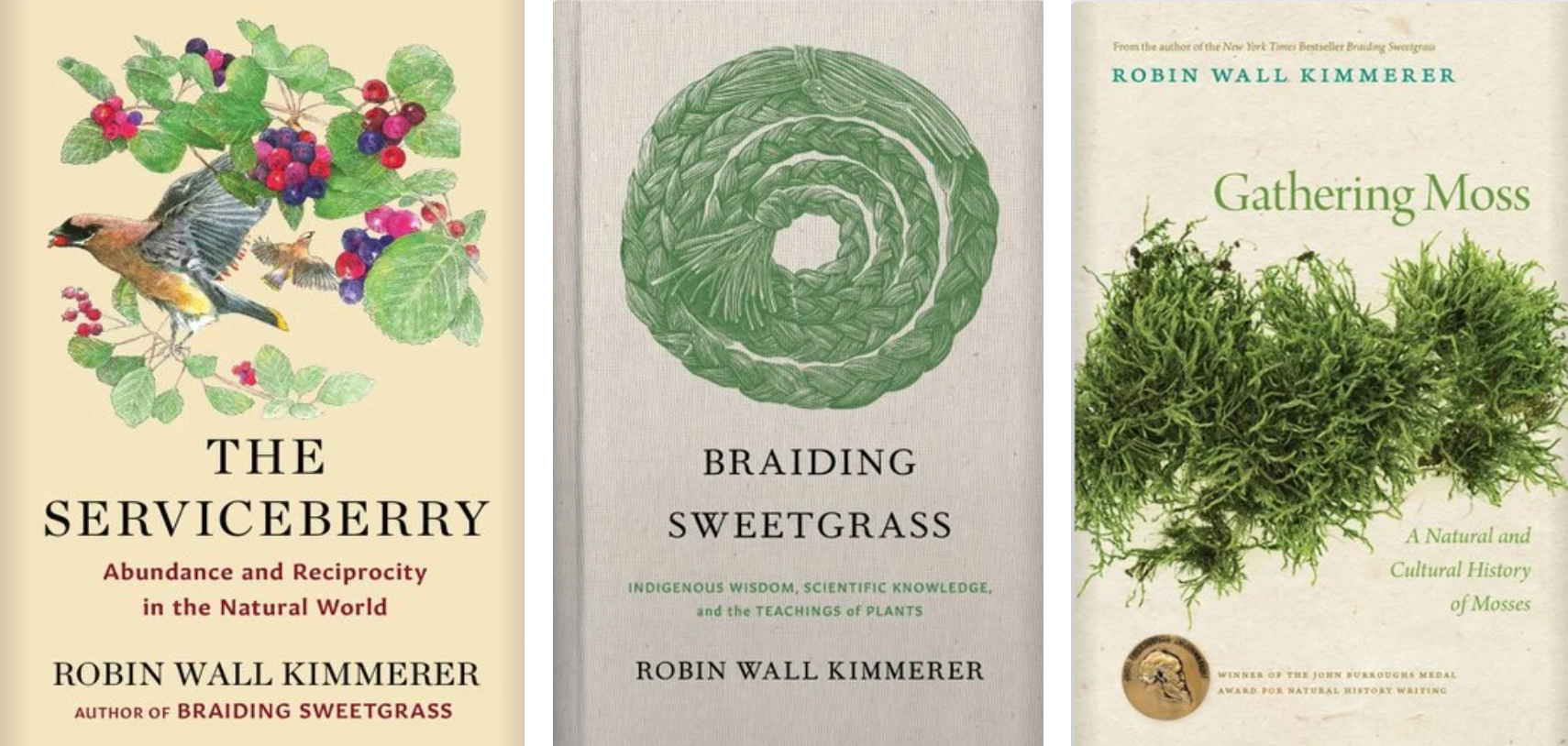
How Do We Reciprocate?
For those of us exploring biomimicry and life-centered design, this may be one of the most important invitations Robin offers. Nature is not only a source of ideas, strategies, and inspiration; it is also a relationship.
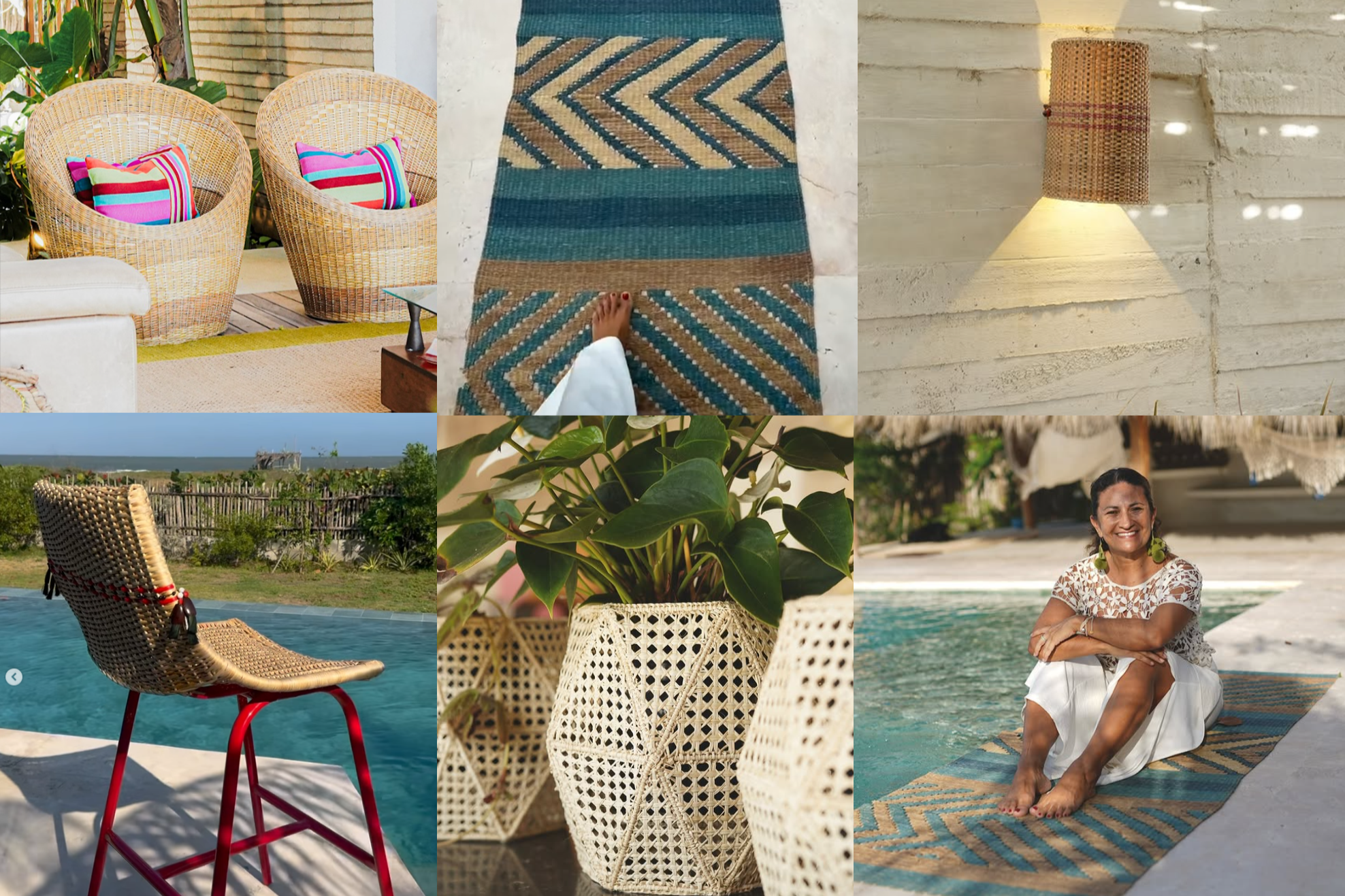
Ximena Rozo, Industrial and Textile Designer
We are so grateful to feature our dear friend, Ximena Rozo, in this conversation. Thank you, Ximena, for taking the time to share with us your thoughts, creative practice, and your beautiful, life-centered approach to design.
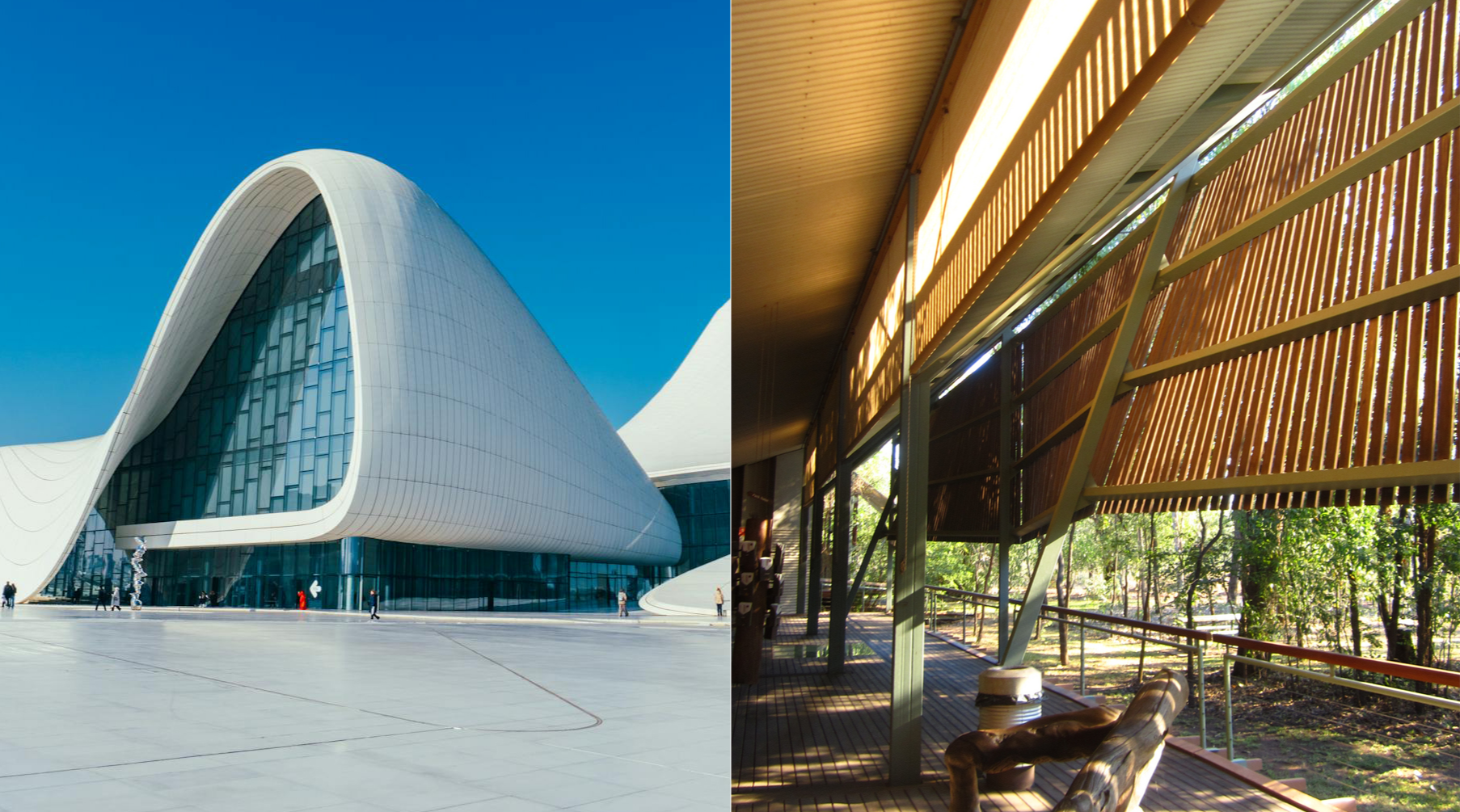
When Beauty Isn’t Enough
For years, the work of Zaha Hadid has inspired admiration. Her fearless rejection of the orthogonal grid, her fluid forms that seem to defy gravity, and her insistence that architecture could capture the dynamism of natural forces all resonate with a deep fascination for nature’s patterns and organic geometries.
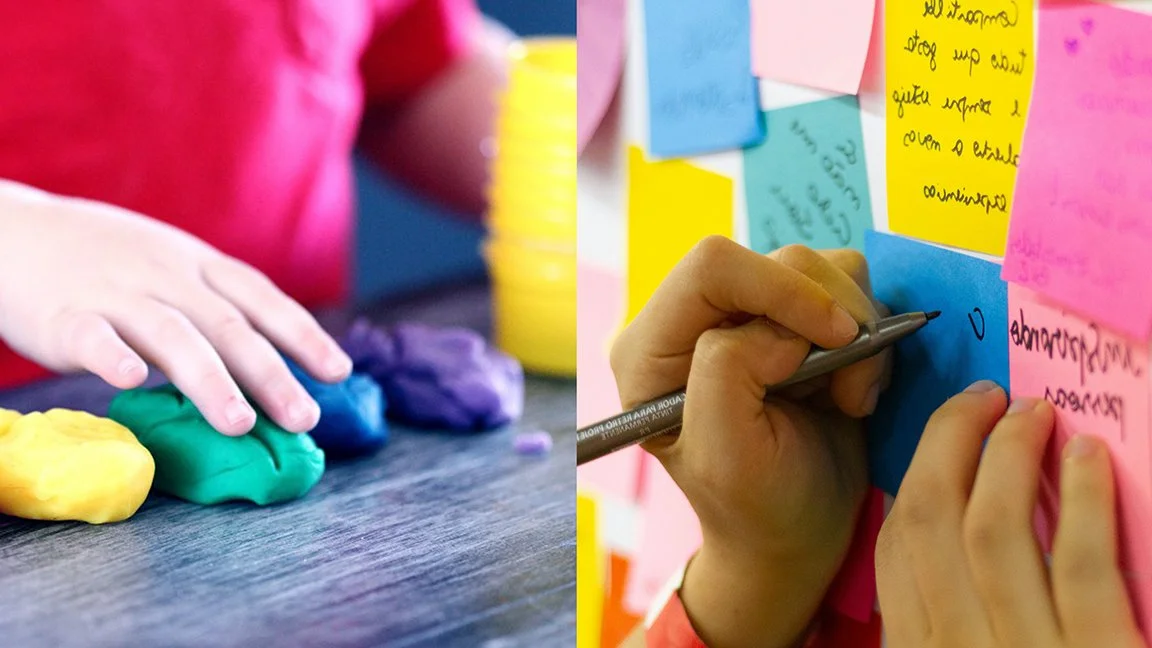
Finding Solutions in Happy Accidents
The essence of integrating the unexpected is the ability to recognize value in unintended results and pivot toward new opportunities.
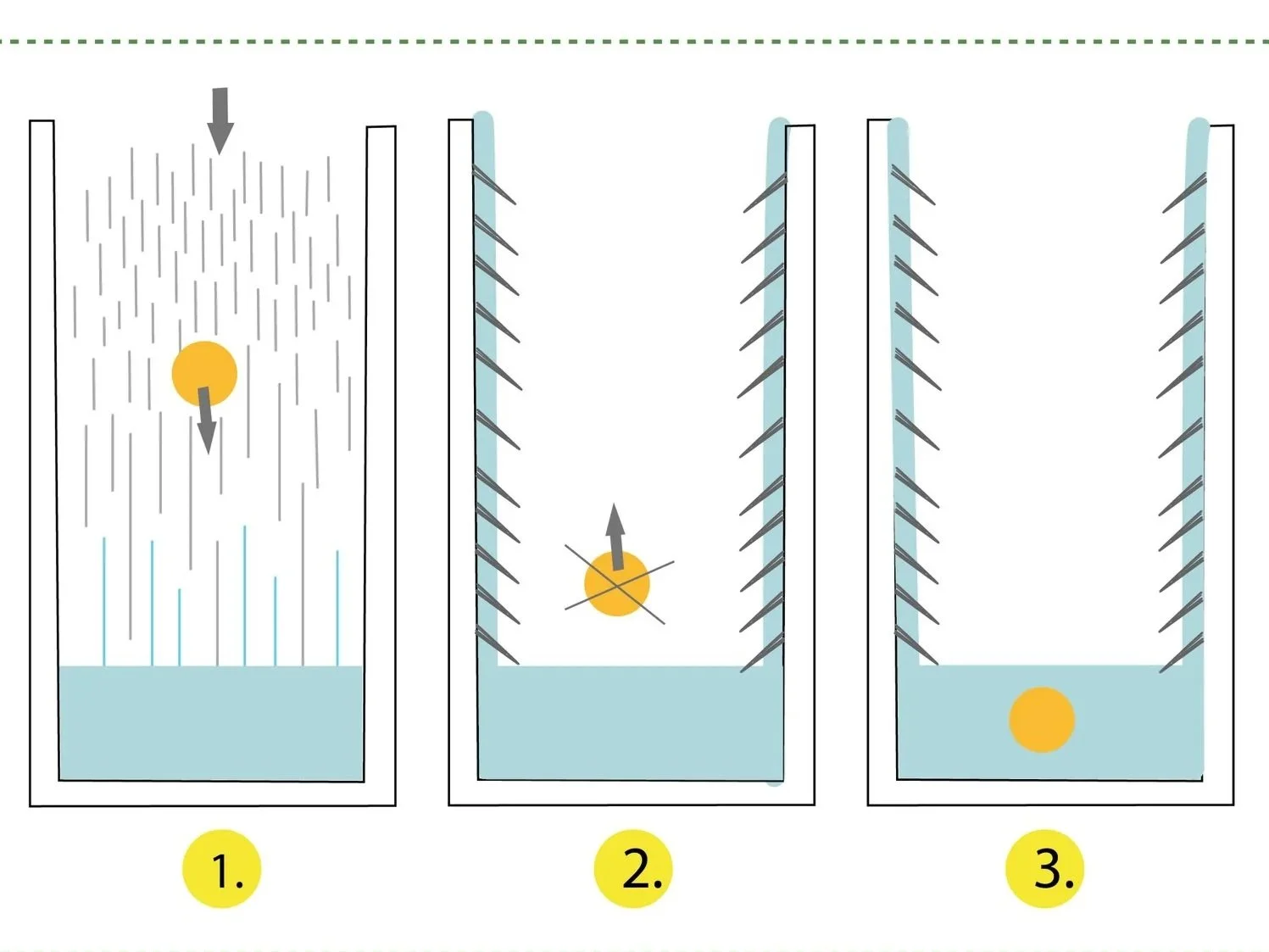
How to Trap Prey Without Teeth or Claws
Meet the yellow pitcher plant (Sarracenia), a carnivorous plant that has evolved a surprisingly sophisticated way to trap insects using slippery surfaces and carefully engineered textures.
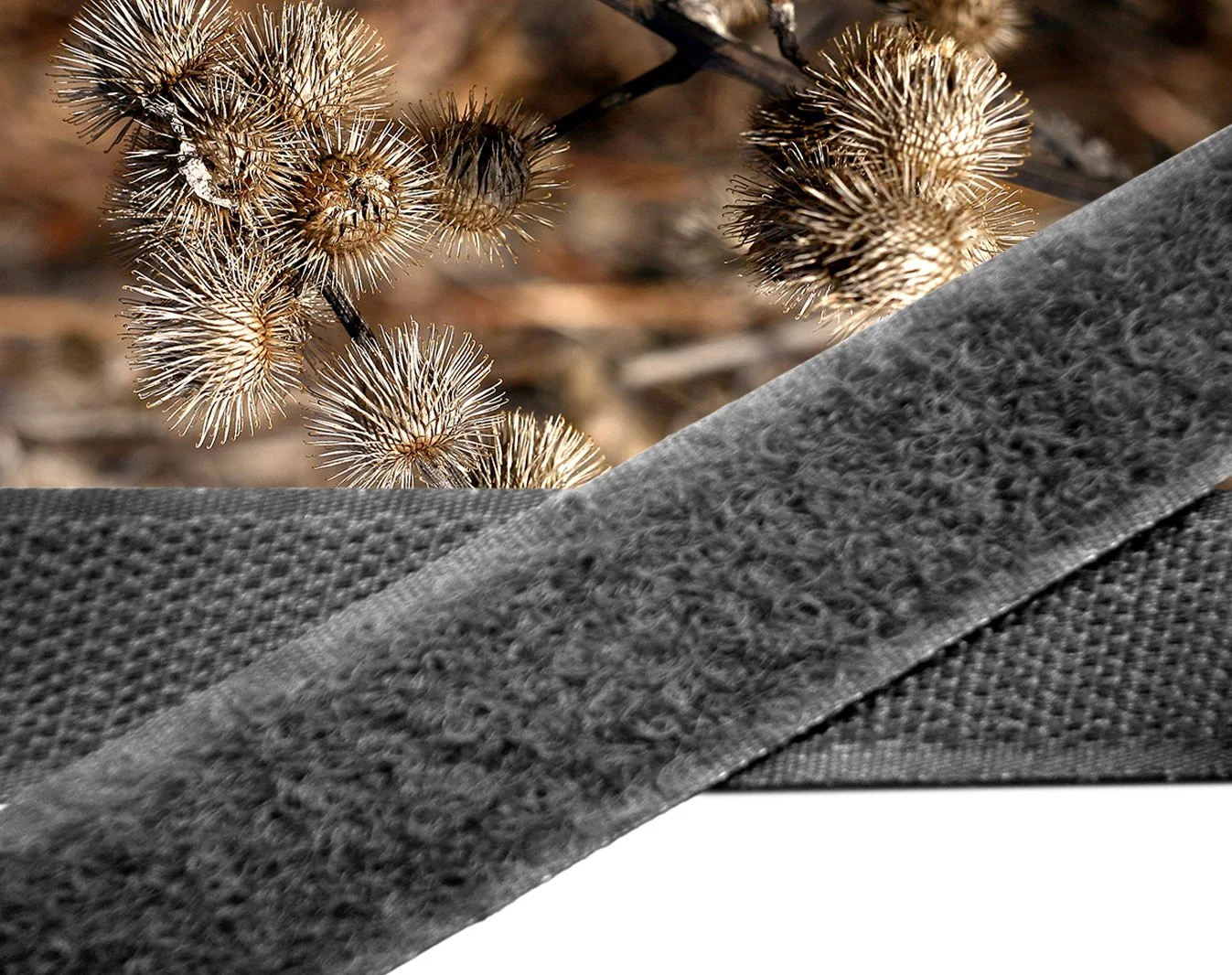
Burrs in the Dog’s Fur
How burrs in the dog’s fur inspired a new, sticky closure for clothing. A classic biomimicry story that shows how a simple moment of curiosity - watching a plant do what it naturally does - can lead to one of the most widely used design innovations in the world.
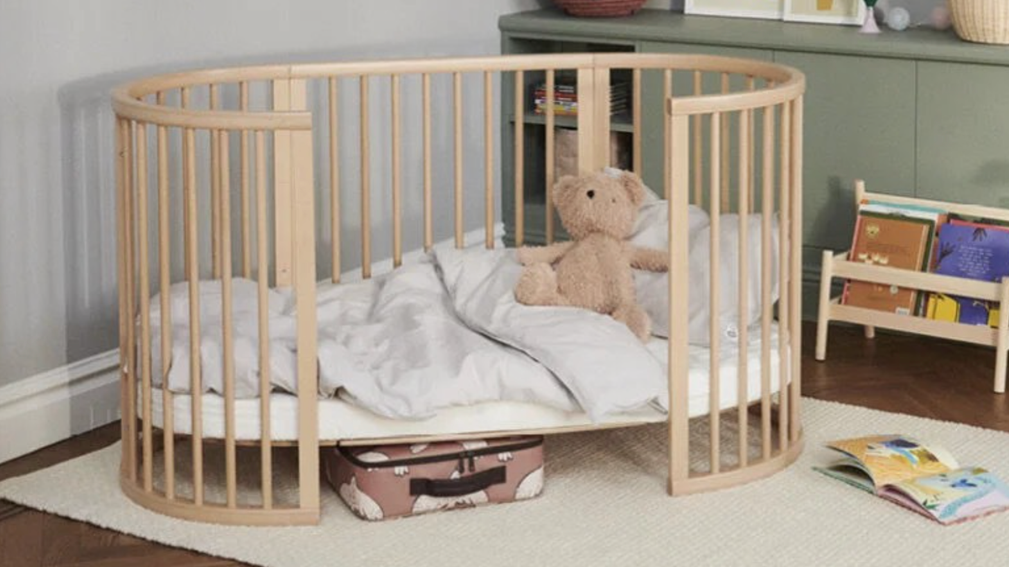
Can We Design Products That Improve as They Grow?
In nature, the most successful systems don't choose between development and growth, they pursue both simultaneously.
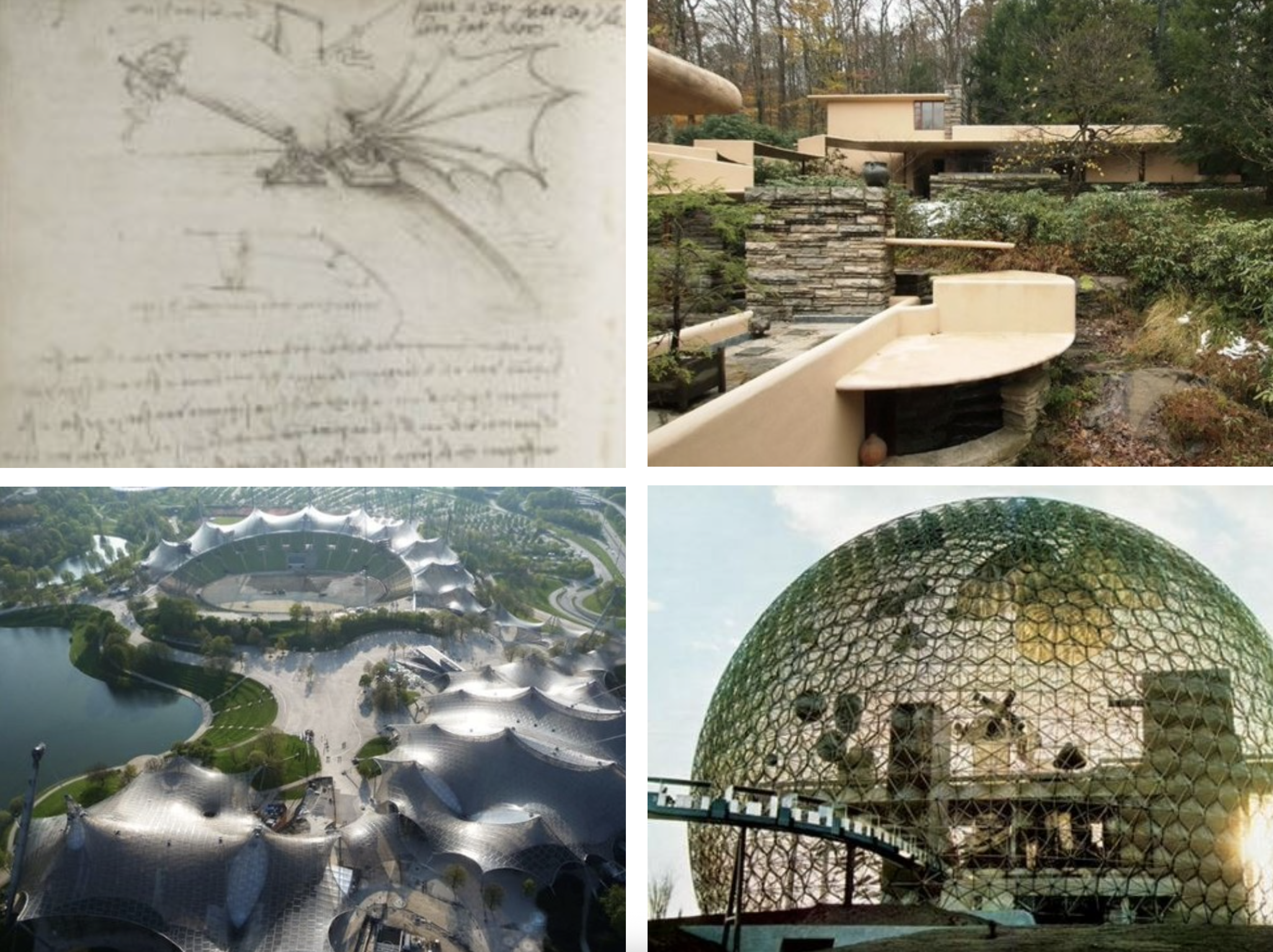
The History of Biomimicry
The practice of learning from nature’s designs dates back centuries; Leonardo Da Vinci, Frank Lloyd Wright, Frei Otto, and Buckminster Fuller.
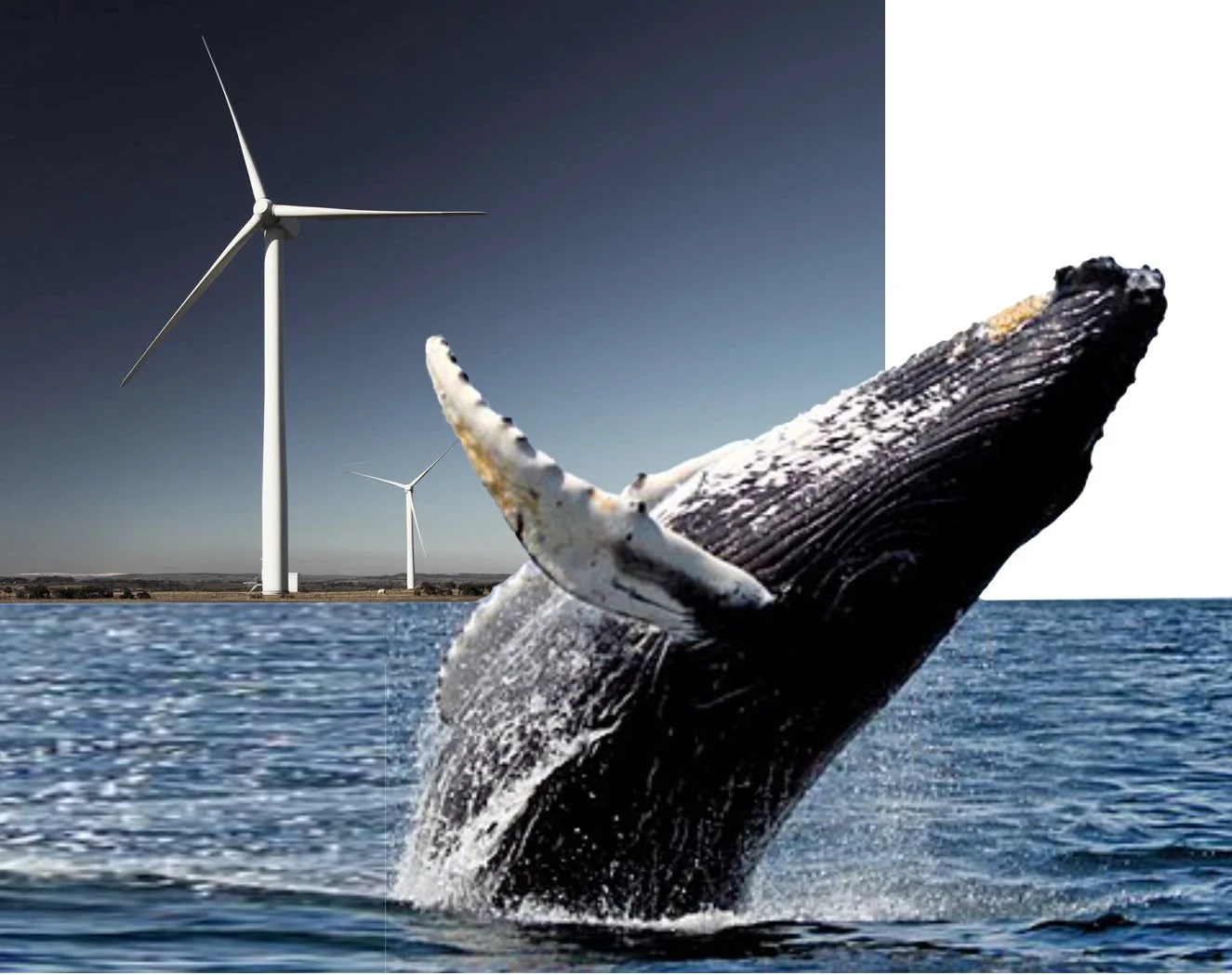
The Whale and Mr. Fish
The humpback whale’s flippers provided insights into wind turbine design.
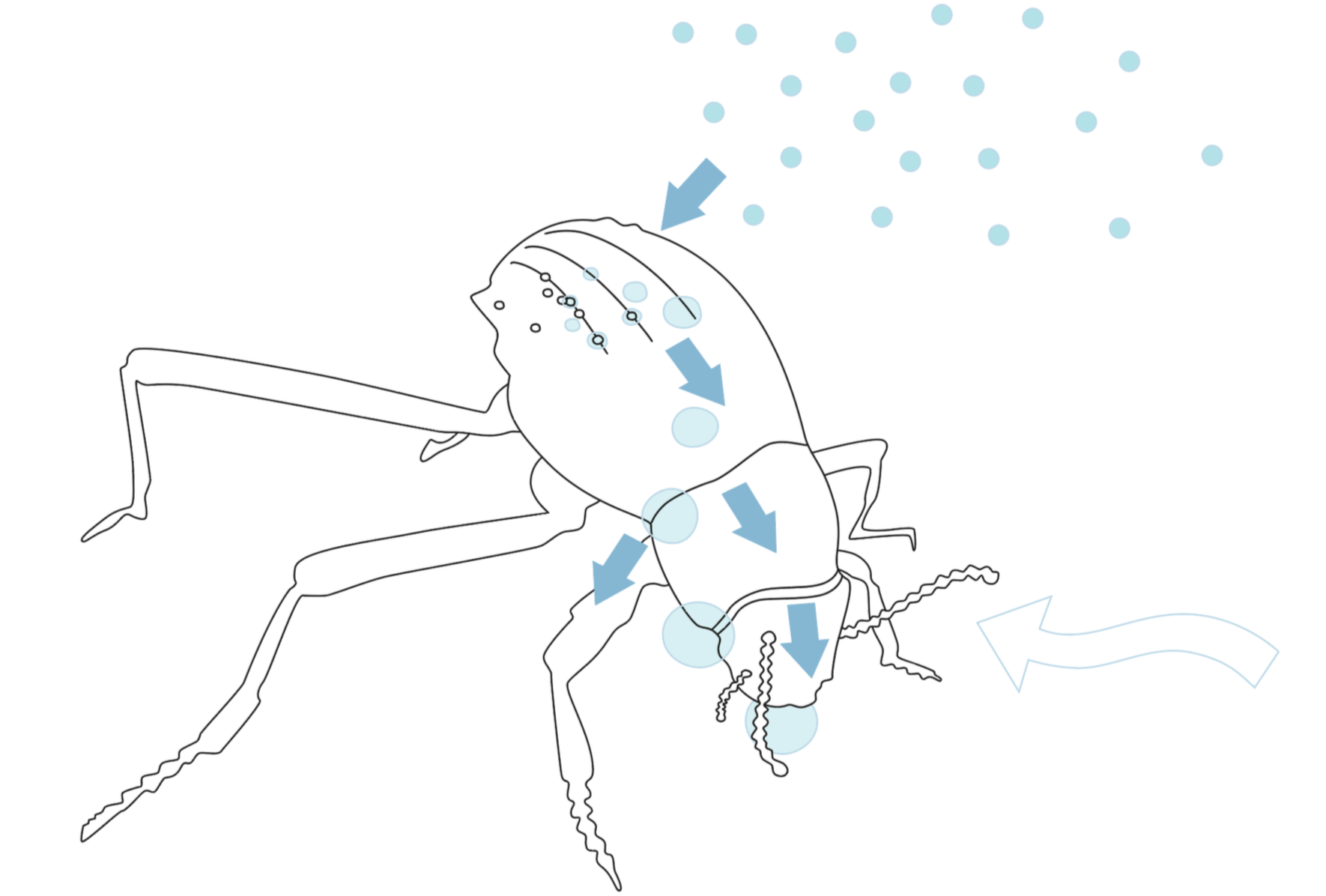
The Beetle That Learned to do Headstands
Meet the Namib beetle (Onymacris unguicularis), a small, shiny-backed insect that evolved to collect water on its back, in the middle of the night, when the fog rolls in from the ocean.
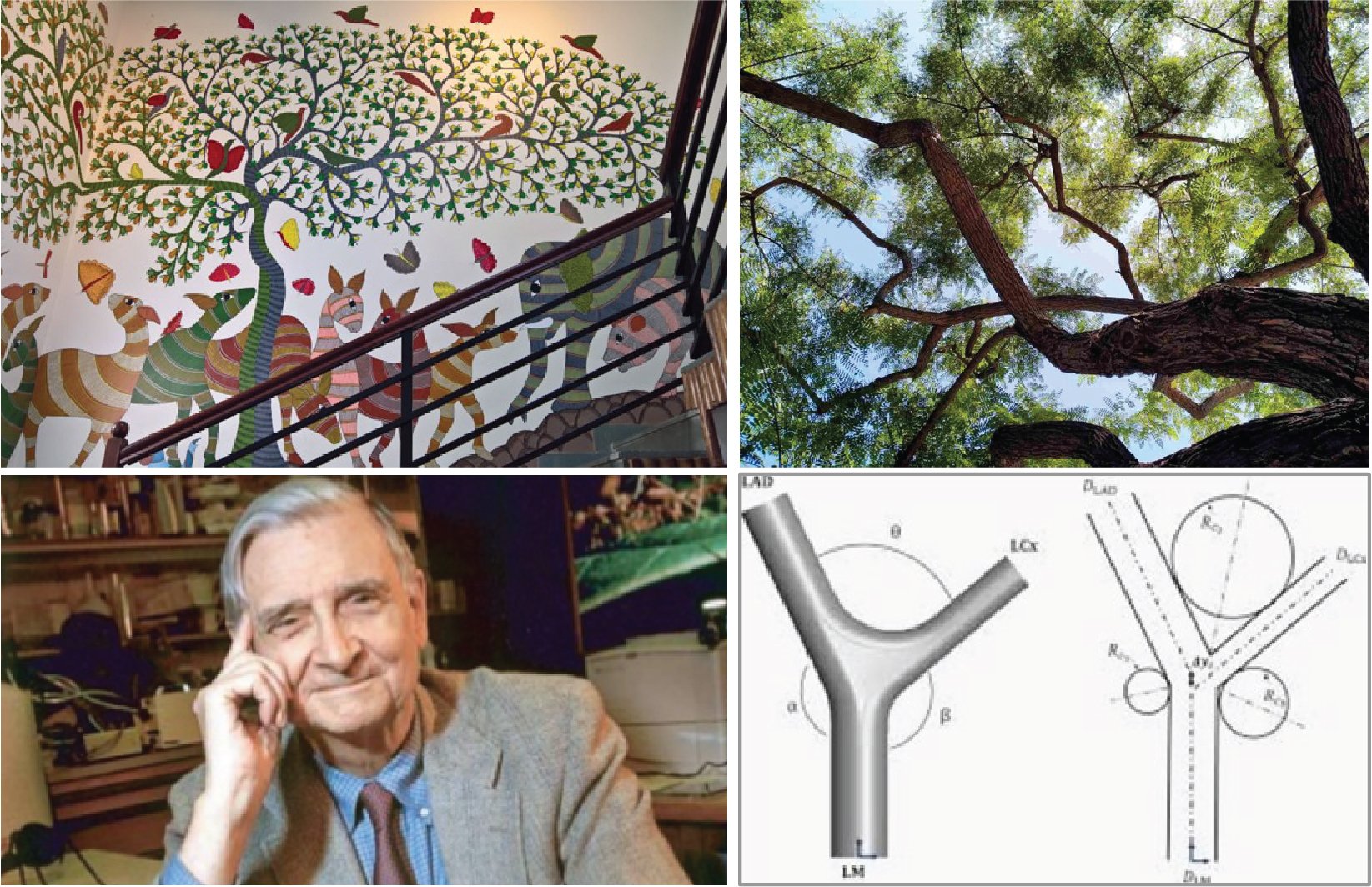
Biophilia, Biomimicry
When discussing biomimicry, it makes sense to first review what biophilia is and maybe compare the two.