The History of Biomimicry
Learning from Nature Across Centuries
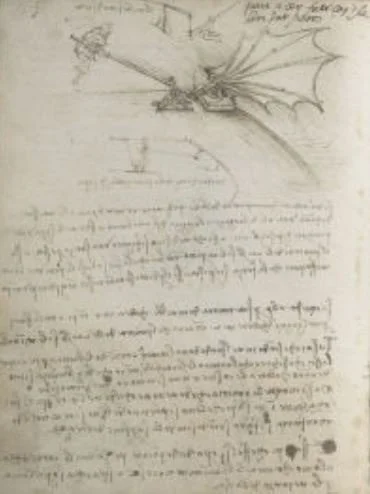
While the word biomimicry was popularized by Janine Benyus in her 1997 book Biomimicry: Innovation Inspired by Nature, the practice of learning from nature’s designs dates back centuries. Long before biomimicry became a named field, designers, artists, and architects looked to natural forms and processes for inspiration. Leonardo da Vinci (1452–1519), the Italian Renaissance polymath, famously studied birds and their flight mechanisms in the late 1400s, creating detailed sketches - such as those in his Codex on the Flight of Birds - and early flying machine prototypes that explored how humans might emulate avian flight.
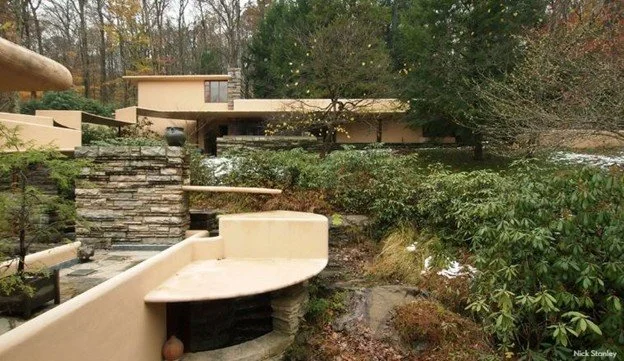
In architecture, nature-inspired design flourished from the late 19th into the 20th century. Frank Lloyd Wright (1867–1959) pioneered organic architecture, designing buildings like Fallingwater (completed 1937) and the Johnson Wax Headquarters (completed 1939) that emphasized harmony with their environments and use of local materials. Another influential figure, Antoni Gaudí (1852–1926), began work on the Sagrada Família in Barcelona in 1882, using biomorphic structural ideas such as tree-like columns that branch and distribute load much like natural forms.
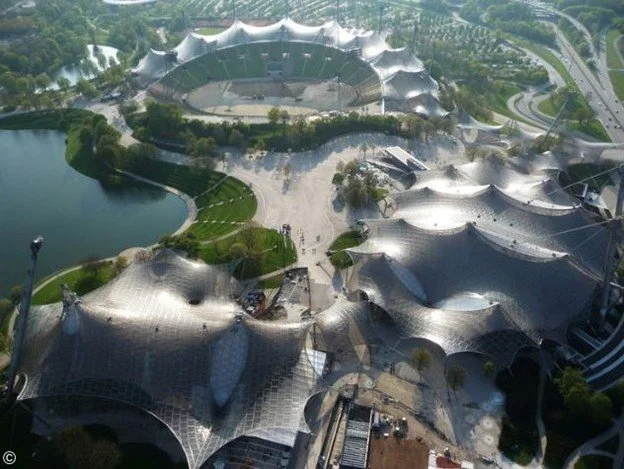
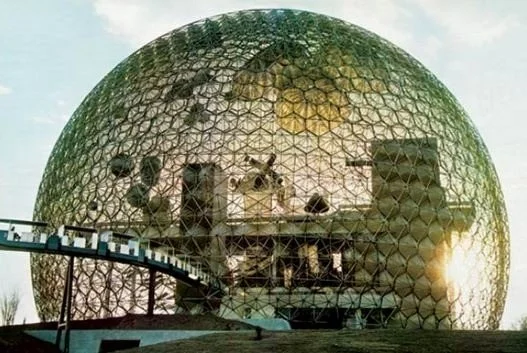
In the mid-20th century, pioneers like Frei Otto (1925–2015) and Buckminster Fuller (1895–1983) brought nature’s engineering principles to new heights: Otto’s tensile membrane projects culminated in the 1972 Munich Olympic Stadium roof, exploring how light, efficient structural systems could mimic natural webs, and Fuller popularized the geodesic dome during the 1950s and 1960s as a form that achieves maximum strength with minimal material by drawing on principles observed in nature’s efficient geometries.
These examples show that nature-inspired design long predates the formal naming of biomimicry. From Leonardo’s Renaissance studies to organic architecture and lightweight structural innovation, designers have repeatedly turned to the natural world - not for decoration alone, but to learn from its genius.