Biophilia, Biomimicry
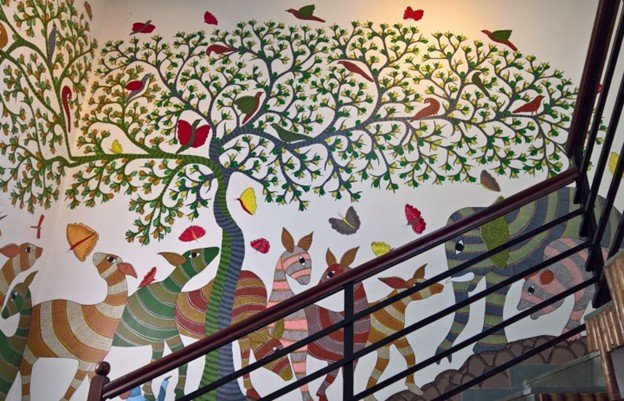
When discussing biomimicry, it makes sense to first review what biophilia is and maybe compare the two. Biophilia describes our innate attraction to life and living systems. Coined by biologist E. O. Wilson in 1984, the term refers to the deep bond humans have with the natural world. In practice, biophilia shows up in the spaces we create and inhabit as natural light, views of trees, indoor plants, images of animals, organic, natural materials, and artwork inspired by nature. These elements don’t change how a building functions, but they do change how we feel within it. Biophilic design acknowledges that surrounding ourselves with nature, or reminders of it, supports well-being, comfort, and emotional connection.
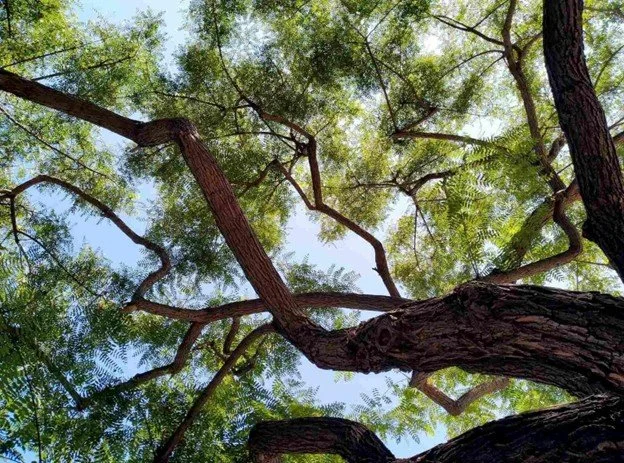
Biomimicry, on the other hand, focuses on learning from nature at the level of function. When practicing biomimicry, we study how living organisms and ecosystems solve problems and ask how those strategies might inform human design. In the case of a tree, for example, among many things, we might examine how it transports water. What is the tree’s strategy and mechanism for moving and delivering water? It makes sense to compare the tree’s liquid-carrying methods to ours. How do we do this same function? How do we humans deliver water in our buildings?
This functional lens is central to biomimicry; as it turns out, we have so much to learn from nature. We study and understand how nature creates conditions conducive to life so we can build our human world in ways that are safe and sustainable for generations to come. Although humans have looked to nature for guidance throughout history, biomimicry became more widely recognized after Janine Benyus helped bring the field into the mainstream in the late 1990s by framing nature as our model, measure, and mentor.
While biomimicry is often associated with technical emulation, it is also deeply concerned with reconnecting humans with the natural world. By studying living systems closely, designers can develop not only better-performing solutions, but also a renewed respect for nature’s intelligence and limits.
Biomimicry goes beyond inspiration or aesthetics and moves toward regenerative thinking. If we could create our systems to function as ecosystems do, we would support long-term resilience and take part in the regeneration of the systems that support life. Biophilia nurtures emotional connection to nature, while biomimicry fosters understanding and responsibility; together, they offer complementary pathways for designing in alignment with life.