

How Does Nature Ventilate?
Summer is here, and as temperatures rise, so does our reliance on air conditioning. Cooling our homes, schools, and workplaces accounts for a significant share of global energy use. But what if the answer to better ventilation wasn't a more powerful machine? What if it began with looking underground?
Imagine the design challenge is to create a naturally ventilated school building. One possible biological model might be the prairie dog. At first glance, its underground burrow may seem like an unlikely source of inspiration, but a closer look reveals an elegant system that maintains airflow using differences in tunnel height, opening shape, and natural pressure changes created by the wind. Fresh air is continuously drawn through the tunnel network without fans or electricity. It is a remarkable example of passive ventilation.
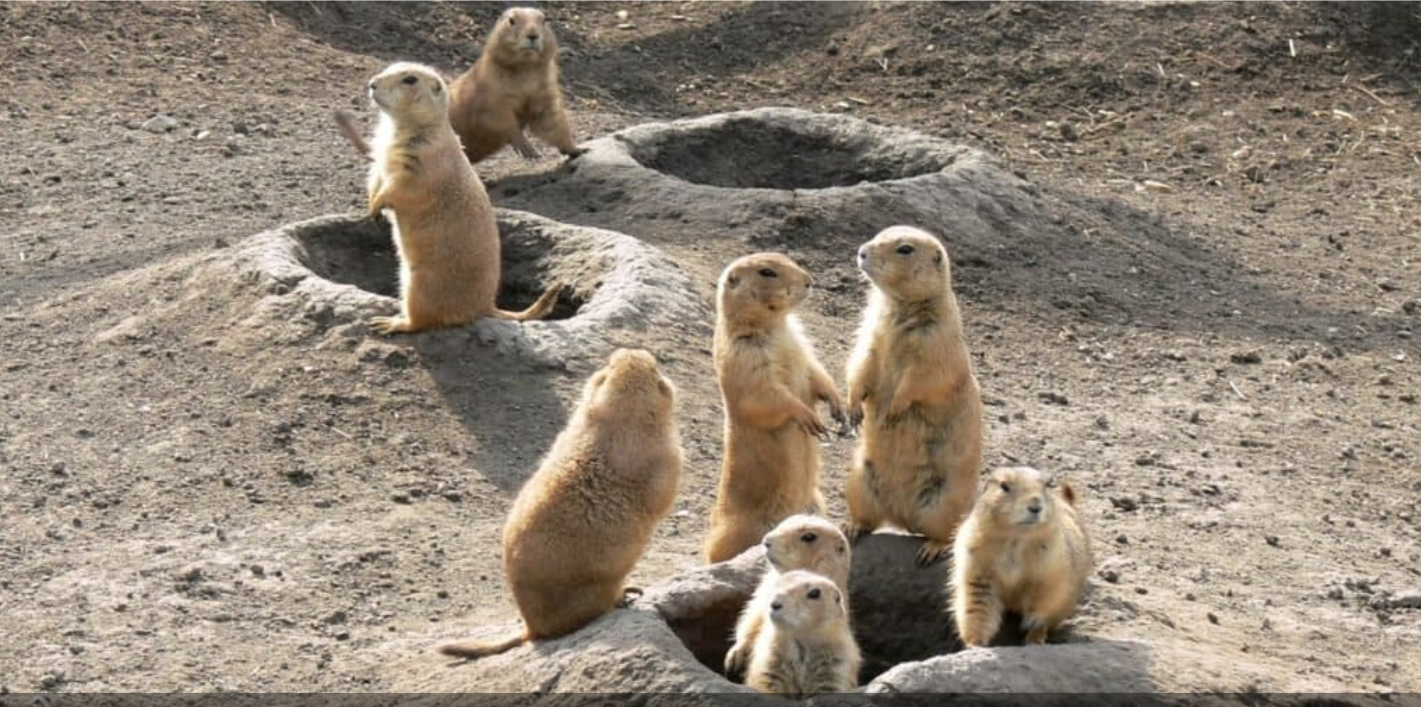
Photo Credit: Zoltan Tarlacz - Shutterstock.com
This is where an important lesson in biomimicry emerges. It might be tempting to copy the shape of the tunnels or the rounded chambers, but that would miss the point. A prairie dog burrow is not simply a ventilation system. It also provides shelter from predators, protects against extreme weather, reduces the risk of flooding, creates space for raising young, offers safe passage throughout the colony, and provides places for observation and communication. Like most natural designs, it is highly multifunctional. The designer's task is not to copy the entire structure, but to identify which features are responsible for the function being studied. In this case, the question is not "How do we build tunnels like prairie dogs?" but "How does the tunnel create airflow?"
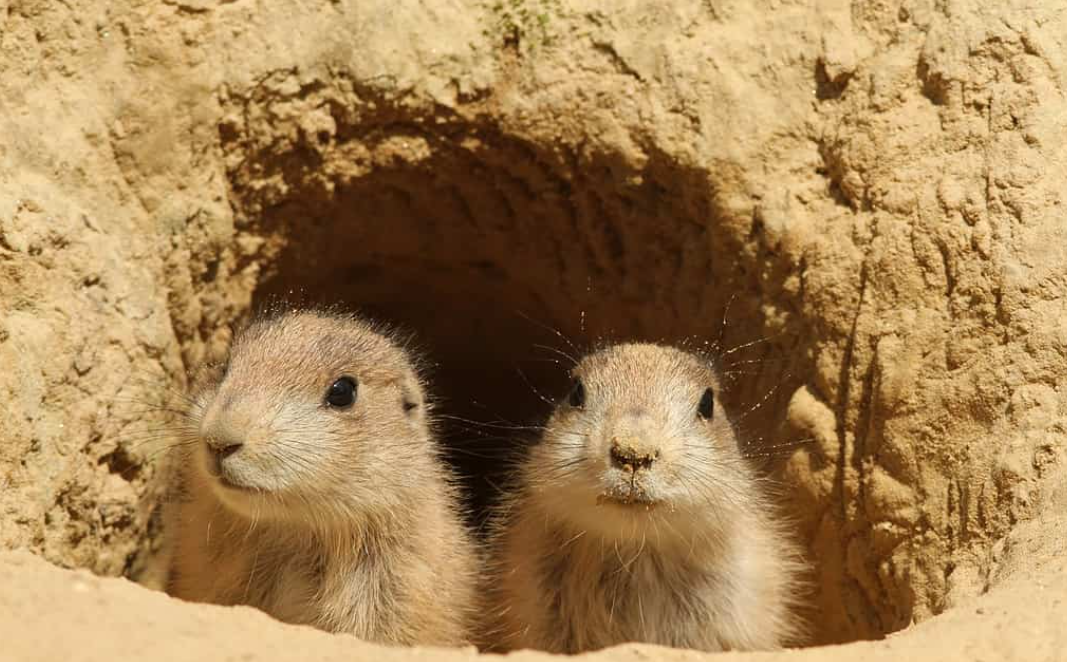
Photo Credit: Henk Bentlage - iStock via Getty Images
By asking that question, the focus shifts from form to function. Instead of replicating nature's shapes, designers begin translating nature's strategies. Understanding the underlying relationships, mechanisms, and physical principles often leads to more creative and effective solutions than imitation alone. Nature reminds us that every feature exists within a larger system, serving multiple purposes at once.
The next time you walk into a cool building on a hot summer day, consider that the most elegant cooling solution may not have begun with human ingenuity alone, but with a better question: How has nature already solved this challenge? Nature has been refining strategies for ventilation for millions of years. The challenge for designers is not to copy those solutions, but to understand the principles behind them and translate them into designs that help solve our own challenges.
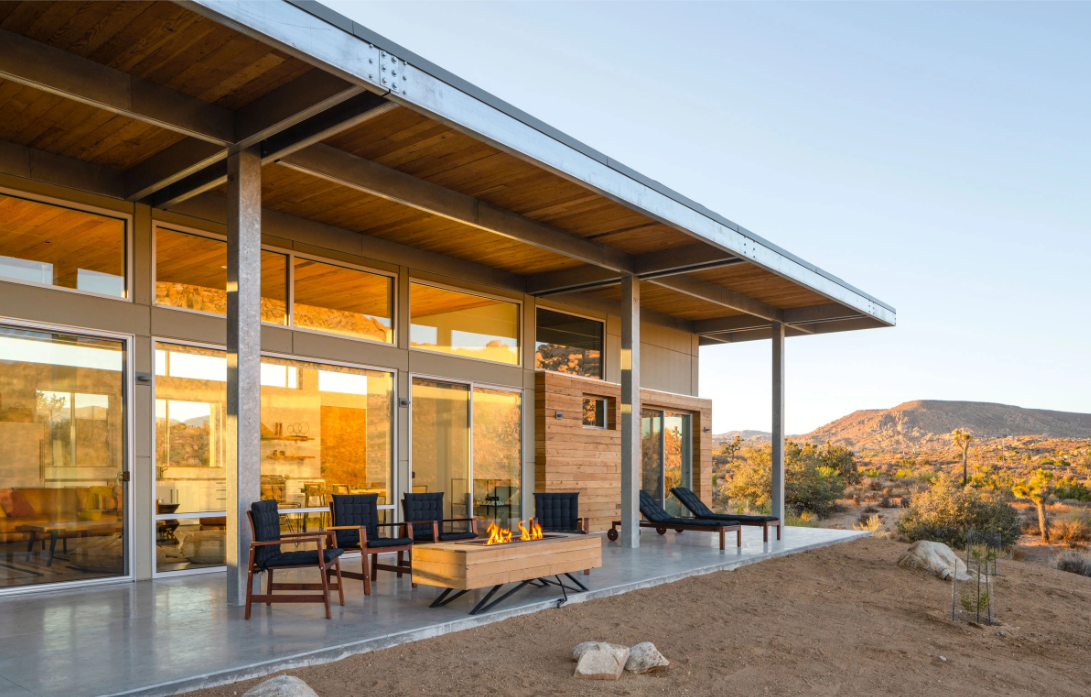
Cowboy Modern Desert Eco by Jeremy Levine - Wind-driven ventilation. Photo courtesy of Lance Gerber.
