

Starting With Attunement
Some of nature's most successful organisms don't thrive because they're the biggest, strongest, or fastest. They thrive because they are attuned - attuned to the conditions around them, to the resources available, and to the relationships that make life possible.
This is the essence of "Be Locally Attuned & Responsive," one of Biomimicry's Life's Principles. Before designing a solution, it encourages us to understand the place, the creatures that inhabit it, the resources, and the opportunities that already exist. Rather than imposing a universal answer, it asks us to connect what is needed with what is already locally available. One way nature accomplishes this is by cultivating cooperative relationships (a sub-principle in Biomimicry).
Fungi are remarkable examples of doing just that through vast underground mycorrhizal networks. They work with what is given, using what is locally available and creating the conditions for countless other organisms to live and thrive. Hidden right beneath our feet, these fungal threads (mycelium) continuously break down organic matter, transforming it into fertile soil.
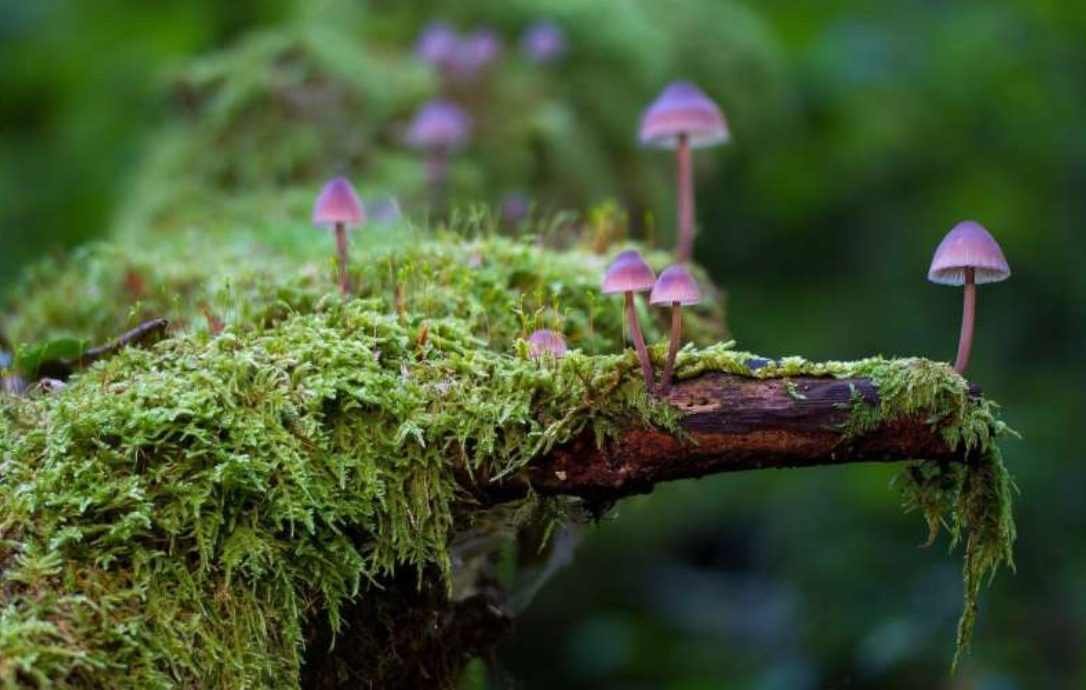
Credit: CC0 Public Domain
Mangrove forests demonstrate a similar strategy on a different scale. Living where land meets the sea, they don't resist changing tides or salty water. Instead, they have evolved in place, developing cooperative relationships with other shoreline organisms. They don't just stabilize coastlines; they also support countless species within the local ecosystem. Brackish mangrove channels become excellent places for nearby animals to rest, hide, and feed. One example is the beloved North American manatee, which migrates into these sheltered channels during the cooler months, where it is welcome to rest, give birth, and forage near the mangroves.
Do mangroves benefit from this relationship? In several ways. Through digestion, manatees return valuable nutrients to the shallow waters. By grazing, they prevent underwater vegetation from becoming overgrown, and they often consume invasive species such as water hyacinth, helping keep waterways open and allowing natural water flow.
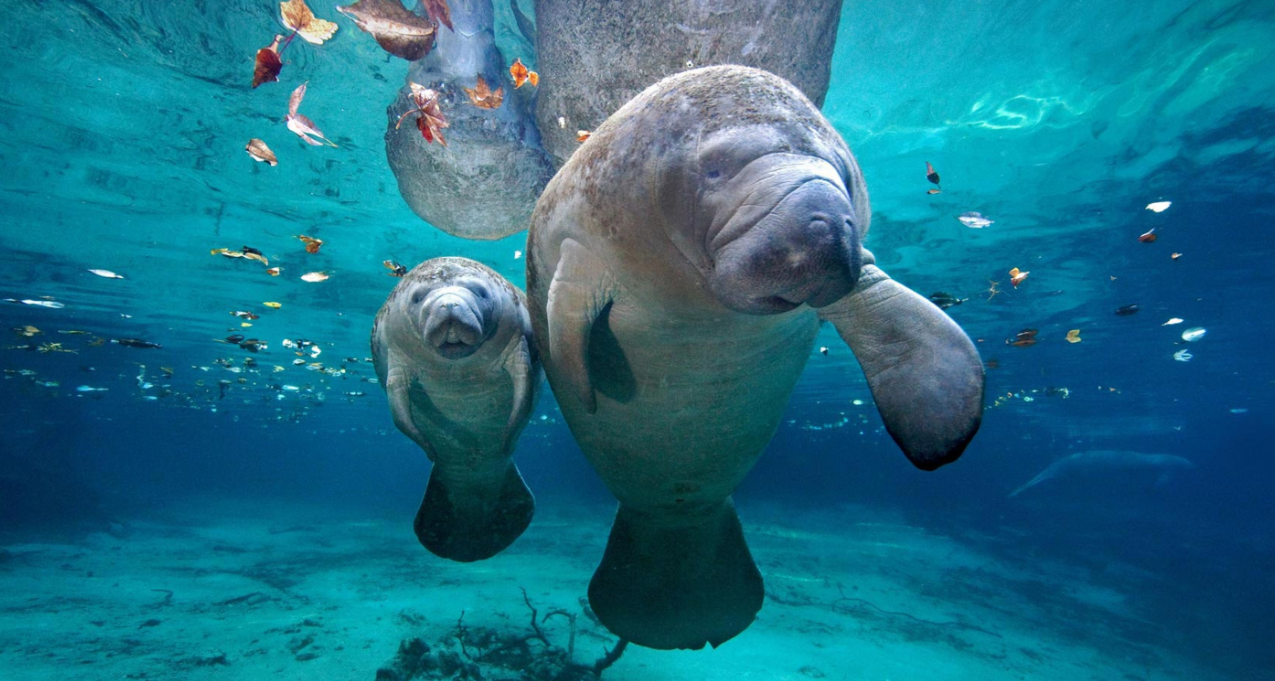
Manatee in shallow water - Photo credit: scoot.eco
Nature reminds us that thriving begins with understanding a place with its environmental factors and inhabitants. Instead of fighting local conditions, living systems work with them. They succeed by being attuned, responding with what they have in abundance, and building relationships that strengthen both themselves and the larger system.
Most designers are trained to ask, "What can I create?" Nature seems to ask, "What exists here already?" and the answer usually reveals new opportunities that would otherwise go unnoticed.
Could we start our design challenges by asking this same question? Could this mindset shift have implications for our creative process too?
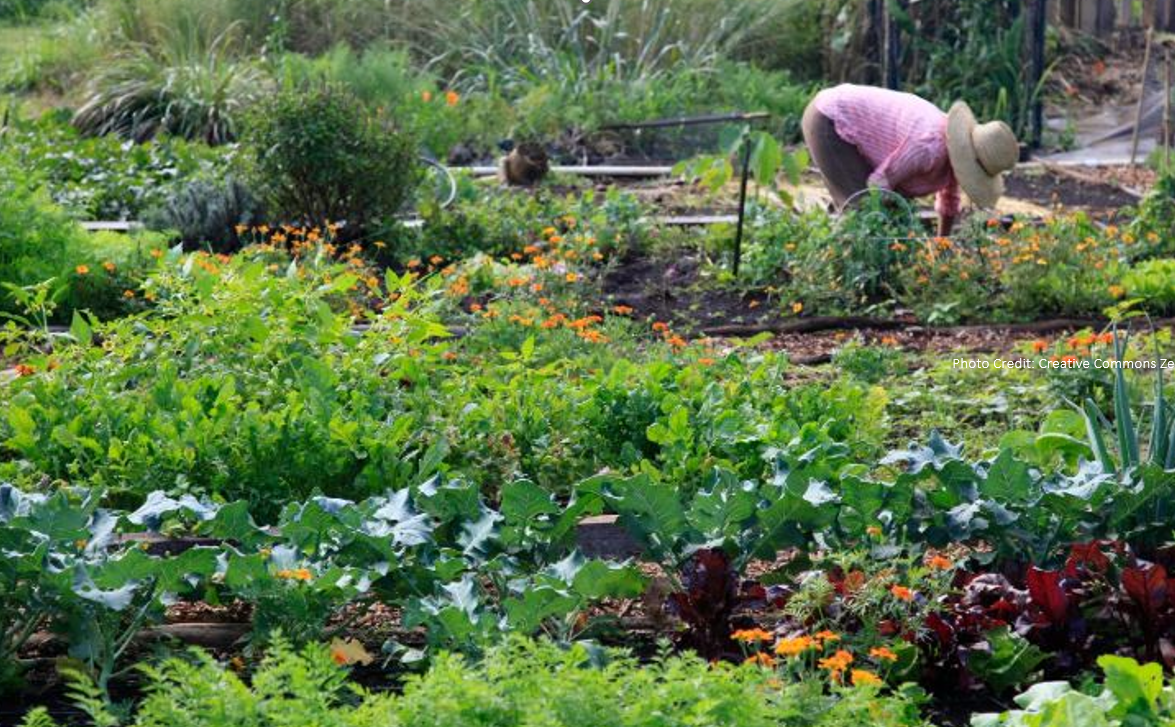
We see this playing out in social design, too. Community gardens began with organizers asking some simple questions like “What does this place already have? What does its community need? Can we connect the two?” They made use of available land, local knowledge, volunteer effort, and the interests of the people who would benefit from them. These gardens cultivate relationships within the local ecosystem, which strengthen both the community and the place itself.
Can we find the same thinking in industrial design today?
The good news is that there are many great examples. Consider the iF Design Award-winning Fairphone (2026). While this principle - cultivate cooperative relationships - might not be the first one we notice, it is deeply embedded. The Fairphone was created by looking beyond the phone itself to the larger system that supports it. Its modular construction encourages repair and long-term use, but equally worthy of celebration is its development process, which depends on collaboration among suppliers, repair networks, and the users themselves.
Rather than treating a product as an isolated object, Fairphone recognizes that lasting innovation grows from win-win relationships across an entire ecosystem of products and services.
For designers, this thinking offers a valuable shift in perspective. Before asking, "What should we make next?" perhaps we should first ask: What is already here in abundance? Who can we build a cooperative relationship with, and who can we work with?
Design becomes more resilient when it starts by asking good questions; like in nature, our best solutions might emerge from becoming more deeply attuned to the systems we are already part of.



2026 iF Design Award-winning Fairphone - Photo credit: Fairphone, LinkedIn
