

How Do We Reciprocate?
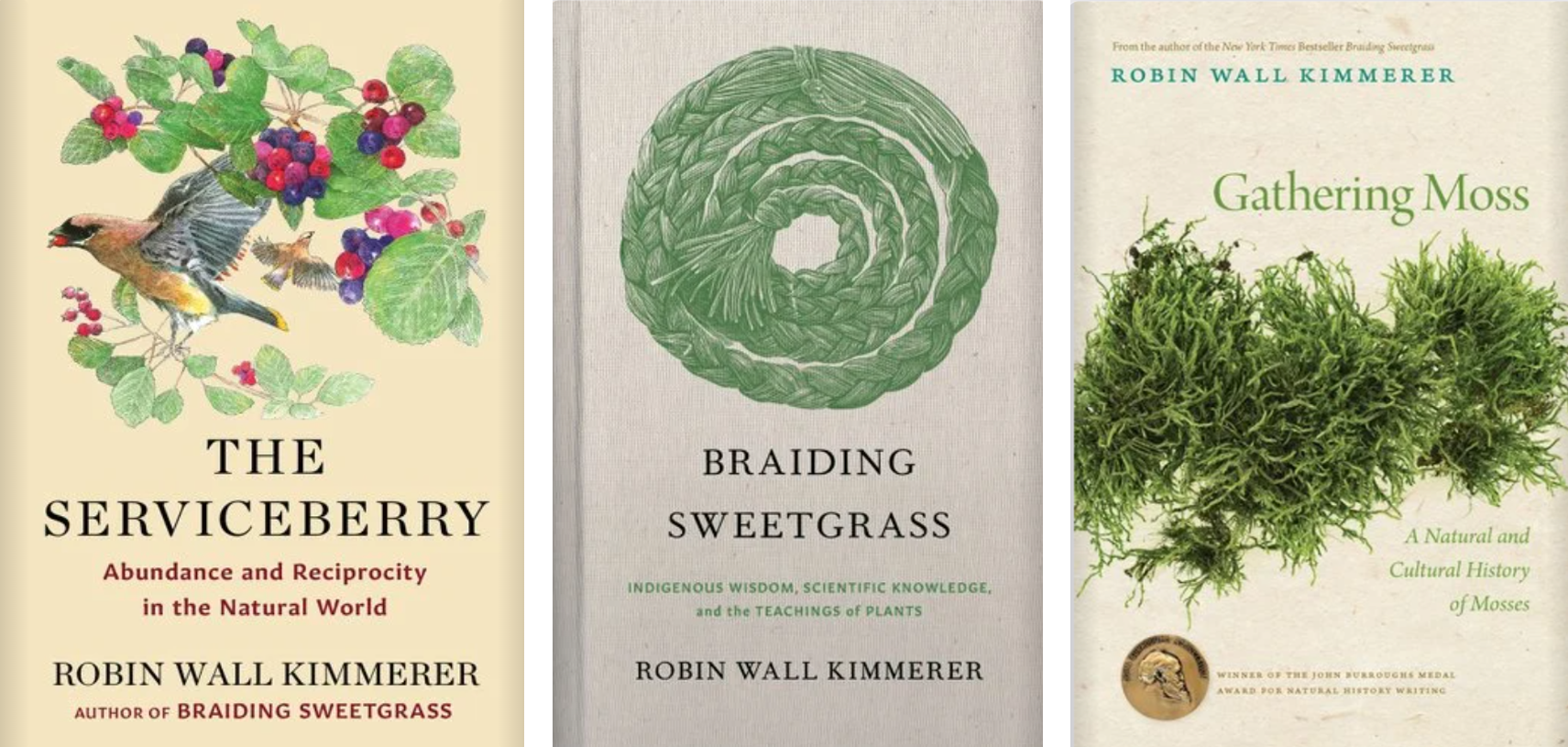
Summer often brings a little extra time for reflection, reading, and revisiting favorite books. As we are returning to the work of Robin Wall Kimmerer this season, we are reminded once again why her voice continues to resonate so deeply. Through books such as Gathering Moss, Braiding Sweetgrass, and The Serviceberry, she has invited us to see the living world not as a collection of resources, but as a network of relationships.
As both a botanist and a member of the Citizen Potawatomi Nation, Kimmerer has become known for weaving together Western science and Indigenous knowledge through beautiful stories that reveal how each can deepen our understanding of the natural world.
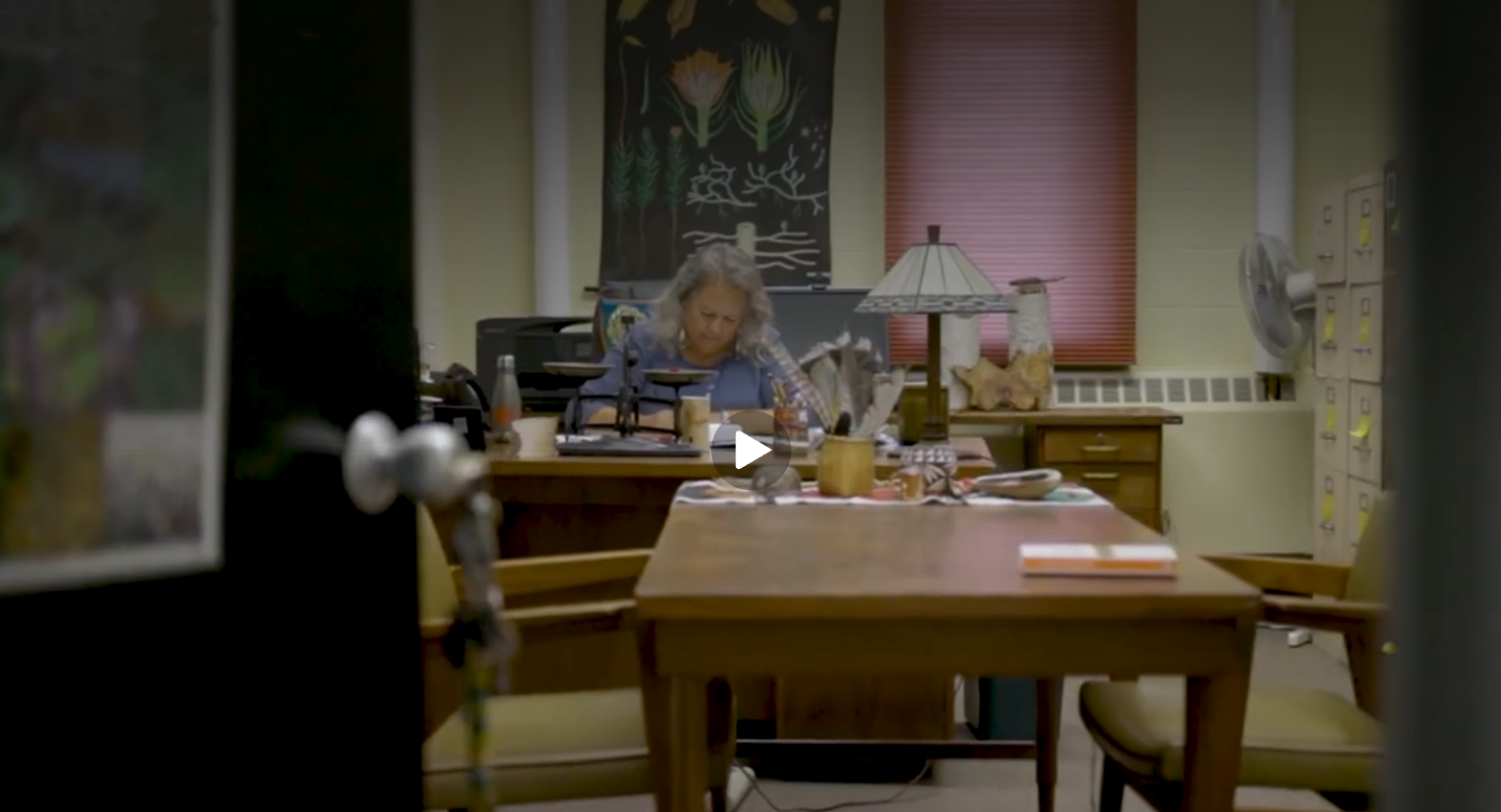
Screenshot from Plant Baby Plant - An Invitation
A common thread throughout her work is the idea that gratitude and reciprocity are not simply personal virtues; they are essential ecological practices. In Braiding Sweetgrass, she explores what it means to live as a respectful participant in the web of life. In The Serviceberry, she challenges assumptions about scarcity and accumulation, pointing instead to the generosity and mutual exchange that are common throughout nature. Her writing repeatedly asks us to reconsider our role in the world: Do we have a responsibility to give back to nature?
The new AskNature Podcast by the Biomimicry Institute has created a wonderful space for these kinds of meaningful conversations. In one of their recent episodes, Robin Wall Kimmerer mentions that applying biomimicry within a rights-based culture may have a very different impact than within a responsibility-based culture. Learning from nature, she suggests, is only part of the story. The deeper question is what we will give in return. “How do we compensate or reciprocate termites for what they taught us? (…) What will we give back to our plants, to our animals, to our watershed in return for what we have learned? (…) You are in a position to ask that question to be accountable to their needs.” What responsibilities accompany the knowledge we receive? Can we support the ones who support us?
Perhaps the most thought-provoking moment came when Robin shared a question that has been occupying her mind: “What does the forest need?” We humans have mobility, she points out, so the question naturally follows: can we help forests become mobile in this time of climate catastrophe? “What can we do to help create migration corridors and assisted migration?” At a time when climate change, biodiversity loss, and ecological degradation dominate headlines, this question offers a profound shift in perspective. Designers are trained to identify user needs. Businesses are trained to identify market needs. How often do we ask what a river, a forest, or an ecosystem might need from us?
For those of us exploring biomimicry and life-centered design, this may be one of the most important invitations Robin offers. Nature is not only a source of ideas, strategies, and inspiration; it is also a relationship. As we design products, services, buildings, and systems, perhaps we can begin by asking not only what we can learn from nature, but also what nature might need from us. That simple shift, from extraction to reciprocity, may be one of the most powerful design challenges of our time.
Learn more about Robin Wall Kimmerer's work and find her books at: robinwallkimmerer.com
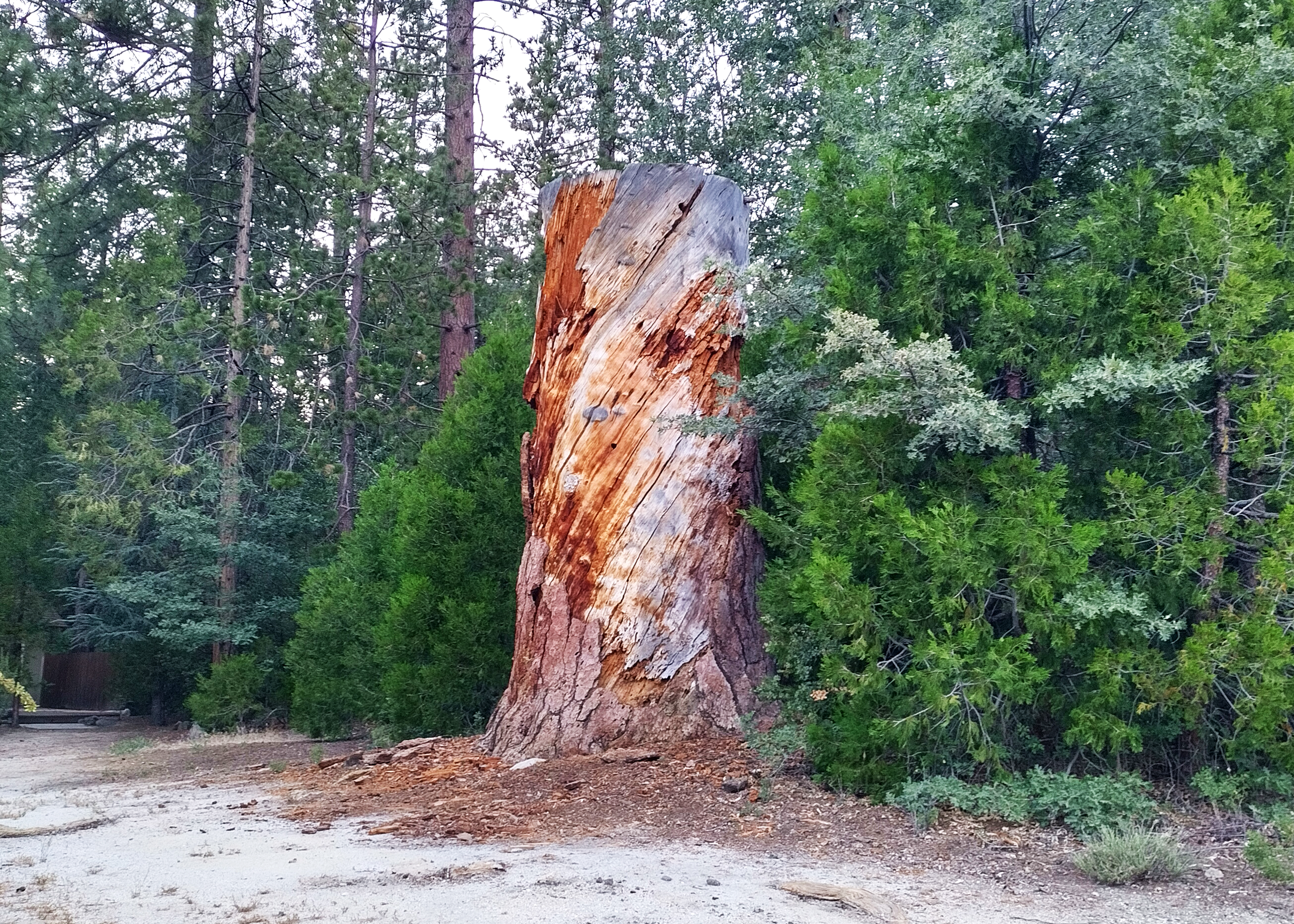
Cut down diseased tree at the edge of a forest in Idlewild, Ca
